
Commercial diving has become an indispensable part of global infrastructure and energy projects. From the construction of offshore oil platforms to underwater bridge inspections and the maintenance of subsea pipelines, commercial divers perform tasks that are crucial for the safe and efficient operation of these vital sectors. This article delves into how commercial diving supports these industries and the significant impact it has.
1. Underwater Construction and Maintenance
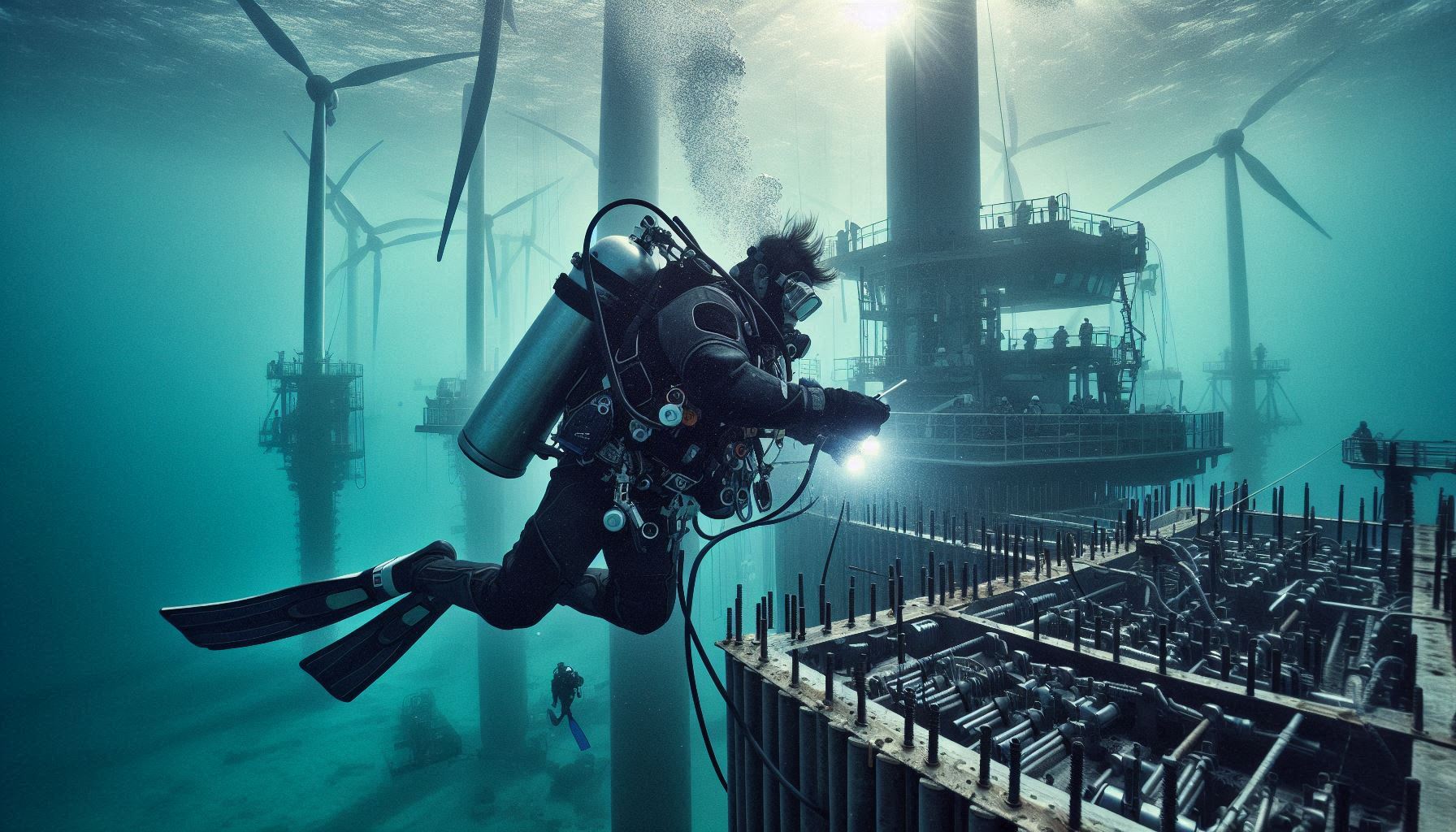
Underwater construction is a complex field that demands precision and expert knowledge. Divers are often involved in projects that range from installing underwater foundations for bridges and tunnels to maintaining offshore wind turbines and repairing hydroelectric dams. These tasks require the use of specialized tools, techniques, and equipment to work efficiently in the challenging underwater environment.
One of the primary reasons commercial diving is so vital in these projects is the requirement for human flexibility and judgment in situations where machines alone cannot perform. Divers are trained to work in a variety of conditions, including murky waters, strong currents, and extreme depths, often relying on their training and adaptability to complete missions successfully. They use equipment such as hydraulic drills, underwater welding gear, and cutting torches to carry out construction or repairs, ensuring that infrastructure remains robust and functional.
2. Offshore Oil and Gas Industry
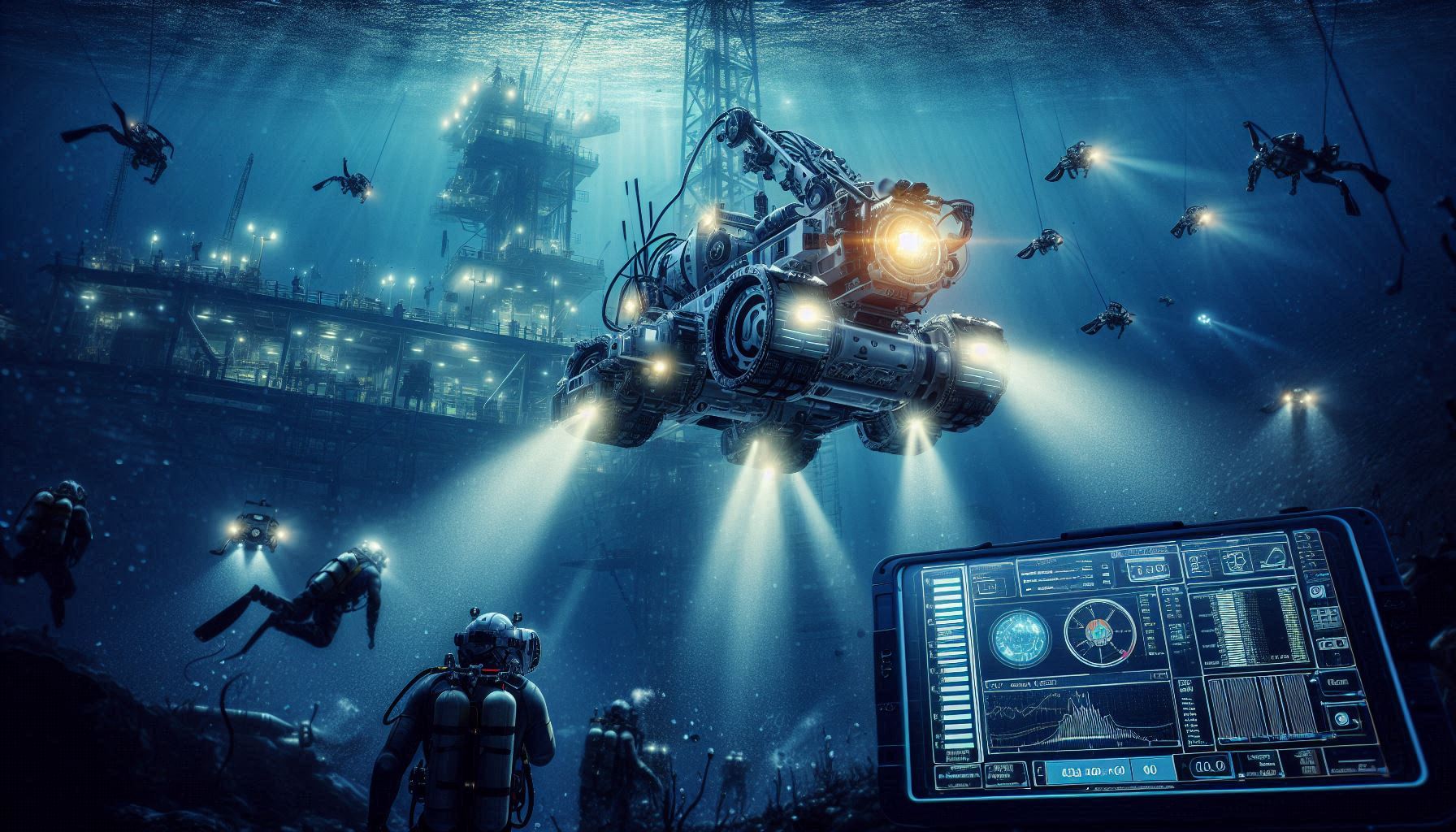
The offshore oil and gas industry is heavily reliant on commercial diving services. Divers are tasked with inspecting and maintaining the vast network of subsea pipelines and oil platforms that extract and transport hydrocarbons from the ocean floor. Regular maintenance and inspections are crucial to prevent leaks, corrosion, and structural damage, which could lead to catastrophic environmental disasters and costly production shutdowns.
Commercial divers in the oil and gas sector are often trained to use Remotely Operated Vehicles (ROVs) and saturation diving techniques to reach deep and hazardous environments. They carry out duties such as installing subsea equipment, welding, and conducting safety inspections. The industry’s stringent safety and environmental standards mean that divers must be highly skilled and capable of working under immense pressure, both literally and figuratively.
3. Marine and Coastal Infrastructure Projects
In addition to energy projects, commercial divers play a critical role in the construction and maintenance of marine and coastal infrastructure. Ports, harbors, seawalls, and jetties are essential for international trade and coastal protection, and divers are frequently called upon to work on these structures. Their work involves tasks like underwater concreting, pile driving, and conducting structural assessments to ensure long-term durability.
Diving teams collaborate with civil engineers, project managers, and environmental specialists to minimize the impact of construction on marine ecosystems. For example, during the building of a new port facility, divers may be responsible for relocating marine habitats or performing environmental assessments to protect biodiversity.
4. Hydroelectric and Renewable Energy Projects
The growing emphasis on renewable energy has also increased the demand for commercial diving services. In hydroelectric power projects, divers are essential for tasks such as repairing and maintaining dam gates, clearing debris from underwater turbines, and performing routine inspections of submerged structures. Their work ensures that these facilities operate at peak efficiency, reducing the risk of failures and minimizing maintenance costs.
Similarly, offshore wind farms are becoming a major focus of renewable energy efforts. Divers are involved in the installation and inspection of wind turbine foundations, which are often anchored to the seabed. These projects are especially challenging due to the unpredictable sea conditions, requiring divers to be highly trained and equipped with the latest technology.
5. Ensuring Safety and Reliability
One of the most critical aspects of commercial diving in infrastructure and energy projects is ensuring safety. Diving companies adhere to strict safety protocols, using advanced equipment and communication systems to maintain a safe working environment. Divers undergo rigorous training and certification to handle emergencies, including dealing with underwater entrapment or equipment malfunctions.
Additionally, regular inspections and maintenance carried out by commercial divers are key to the long-term reliability of infrastructure. These assessments help to identify potential issues before they become major problems, saving time and resources in the long run.
Commercial diving is a specialized profession that underpins some of the world’s most significant infrastructure and energy projects. Whether it’s maintaining offshore oil rigs, inspecting underwater pipelines, or supporting the development of renewable energy infrastructure, divers perform essential work that keeps these sectors running smoothly. As global demand for energy and infrastructure continues to grow, the role of commercial diving will remain crucial in ensuring the safety, efficiency, and sustainability of underwater operations.